Galea Rock
- The southernmost dive site in the Capo Vaticano area is the Galea Rock. The dive begins south of the exposed rock, at a maximum depth of 19 meters. A chain of rocks and reefs rests on the light-colored sandy seabed, creating countless crevices that provide an ideal lair for grouper, brown meagre, and white sea bream. The shaded walls are covered in colorful sponges and carpeted with many varieties of algae. The Galea Rock is perhaps the most distinctive of Tropea's dive sites, embodying all the characteristics of this sea: clear water, abundant light, and rocks carpeted with multicolored sponges.
Mantineo Rock
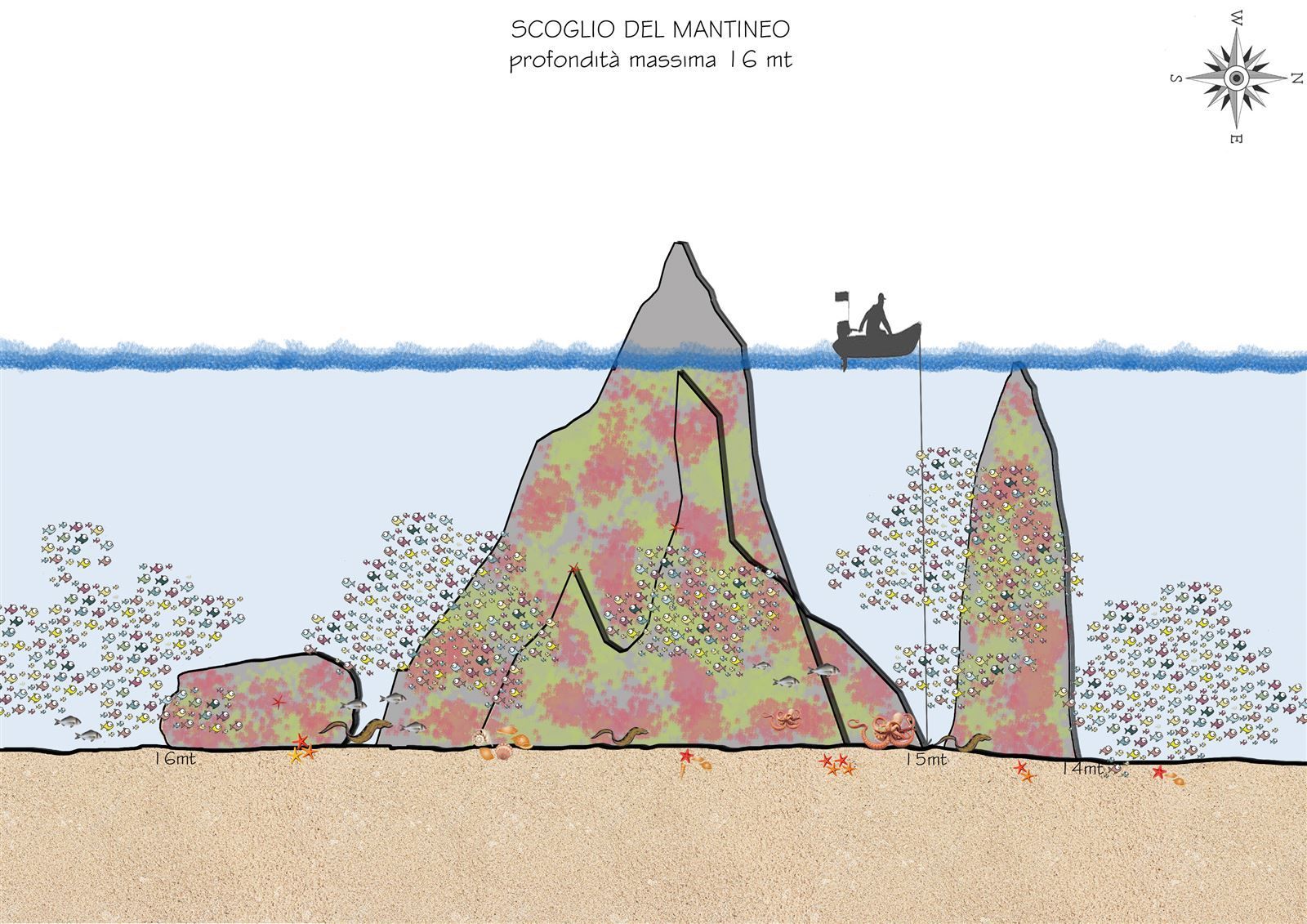
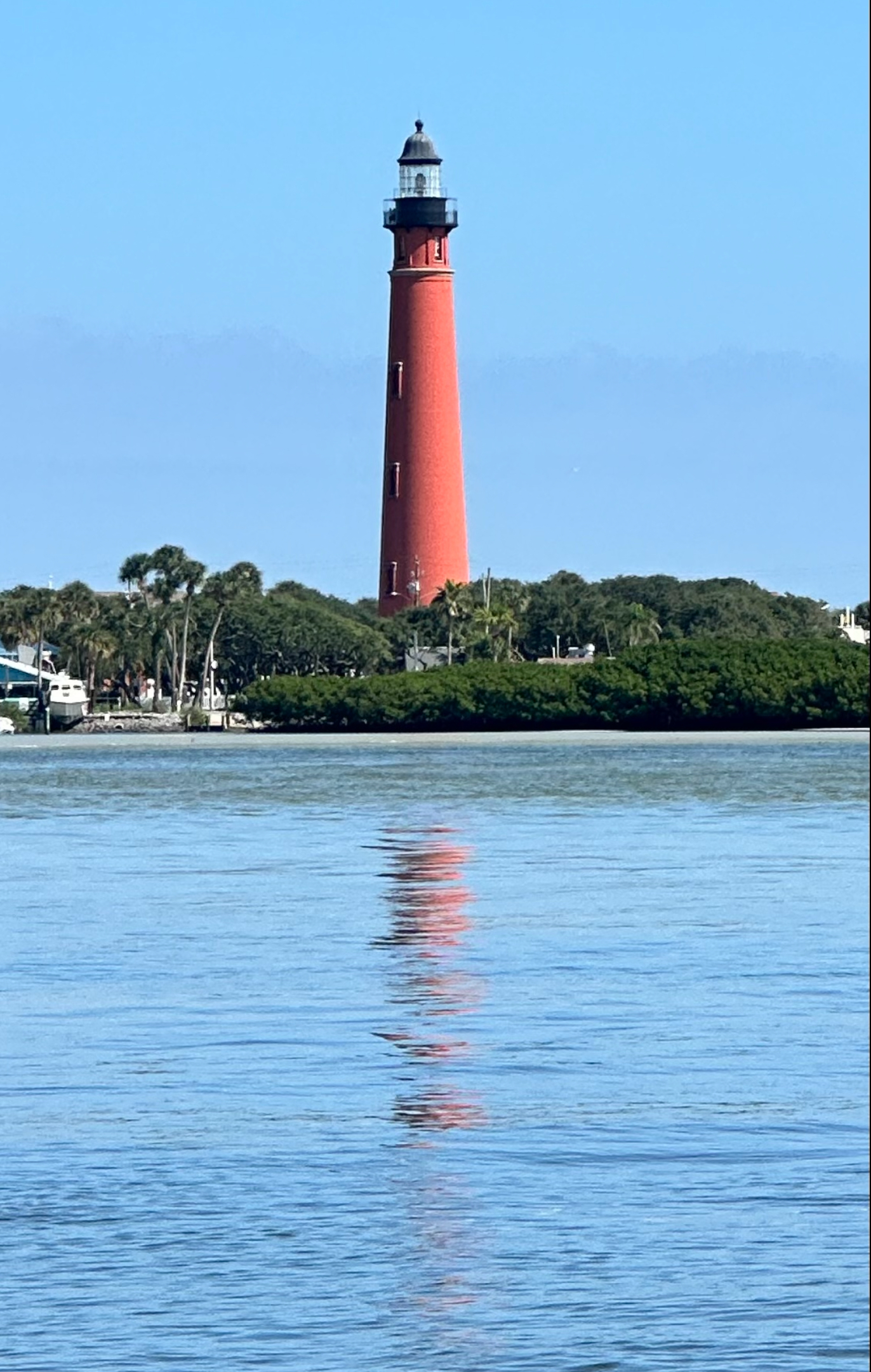
Just below the lighthouse, close to shore, the Mantineo rock is another good dive site, occasionally buffeted by currents. The emerging rock is the most impressive of a series of submerged rocks resting on the sand at a depth of 15 meters. A delightful second dive, suitable for divers of all levels, who, with a keen eye, will discover all the benthic organisms of our Mediterranean: sponges, tunicates, bryozoans, a multitude of nudibranchs, crustaceans, and gobies and blennies peering out from their nests on the rocks. Passageways between the rocks, when the current is strong, allow you to observe entire schools of red mullet, small but very numerous, lying motionless on the seabed in the most sheltered spots, their snouts pointing into the current.
They said.
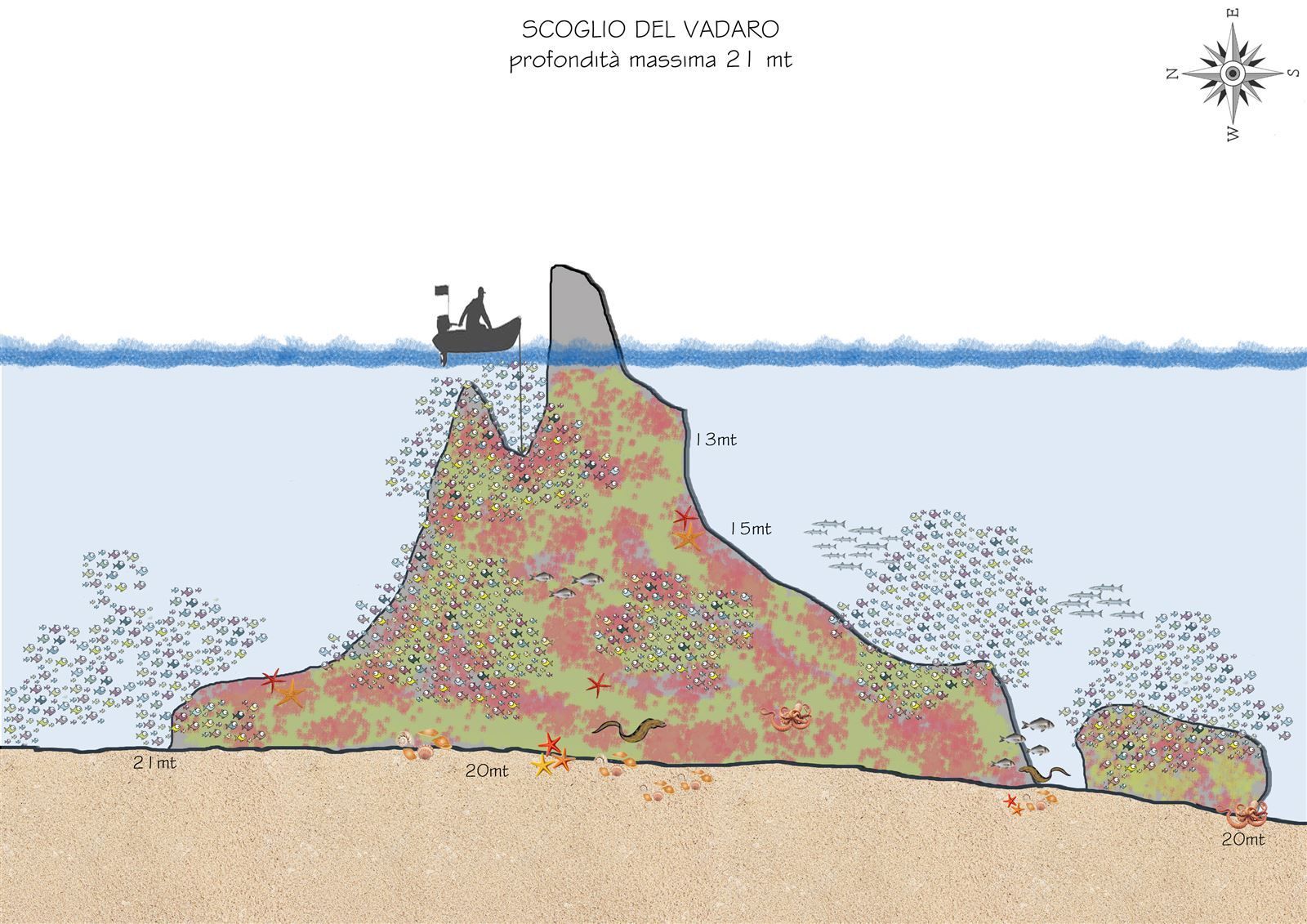
The Vadaro rock sinks its roots into the sand at a depth of about twenty meters. Underwater, we can circle the rock, which, on its northern side (the one facing Tropea, to be precise), collapses onto the sand via a landslide. Here, too, the numerous crevices between the stacked rocks provide shelter for octopuses, groupers, and whitefish in general, while in open water, especially in September, amberjacks are often spotted.
Tingles
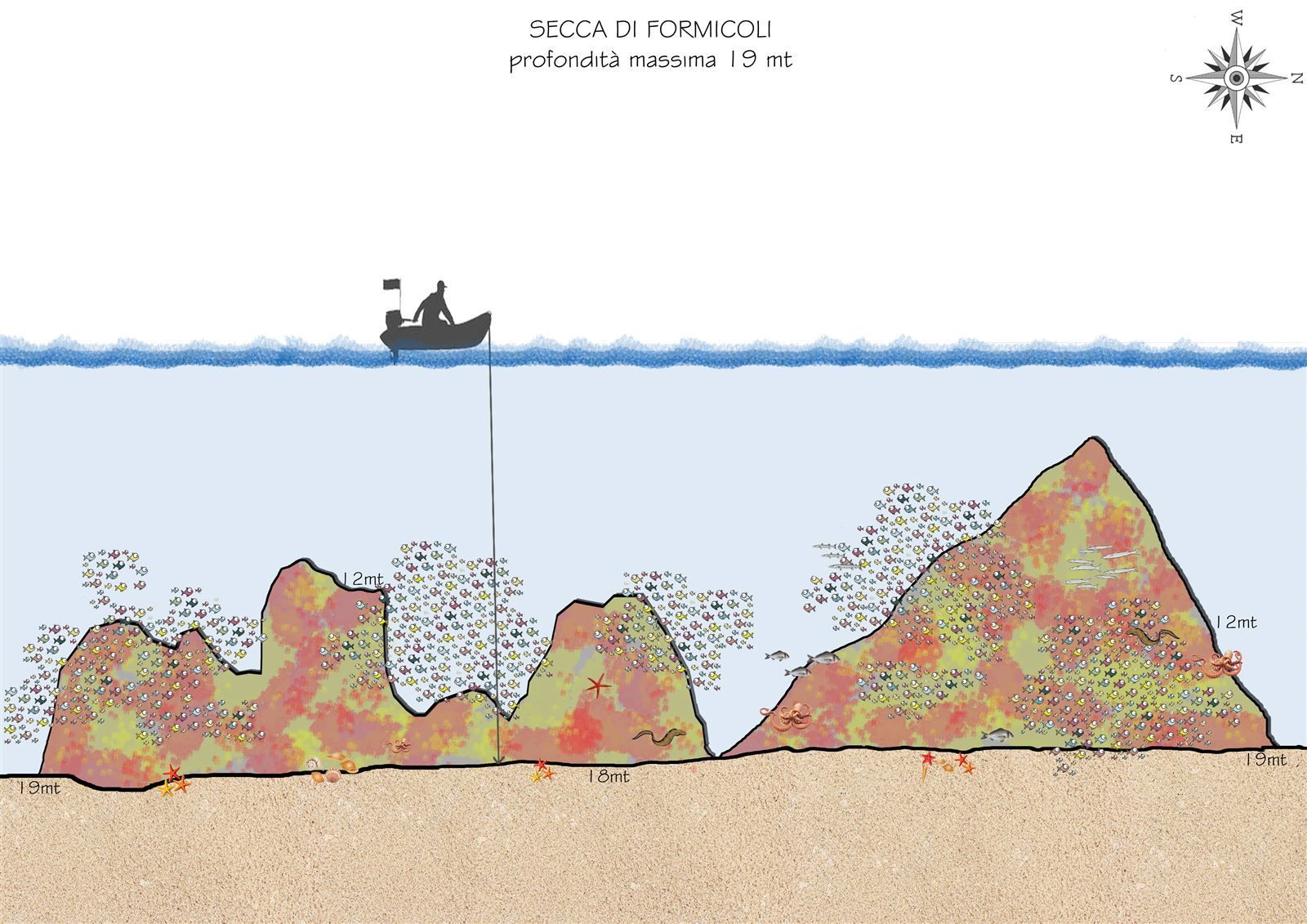
Between Riaci and Torre Marino, about 300 meters from the coast, a series of rocks emerge from the surface: these are the Formicoli, the remnants, it is said, of an ancient Roman port. The dive is pleasant and not too deep: the Formicoli extend underwater toward the open sea, forming a ridge of rocks and reefs resting on the sand at a depth of 18 meters. It's an ideal habitat for groupers, white bream, and, between October and November, brown meagres: each of the thousands of burrows created among the submerged rocks hosts some animal, so much so that this is a top spot for spearfishing enthusiasts. A tunnel opens between the rocks, which is best avoided to avoid damaging the fragile creatures that live clinging to the rock. But if you absolutely must, be careful not to bump into the walls and to hold your breath until you're beneath the vault, so as not to release air bubbles that, trapped in the vault, would condemn even the most resistant organisms to certain death. This is a very pleasant and tranquil dive, suitable for beginners but also interesting for experts. Further out to sea, at a depth of 27-30 meters, the rocky ridge ends with the outer Formicoli reef.
The Network
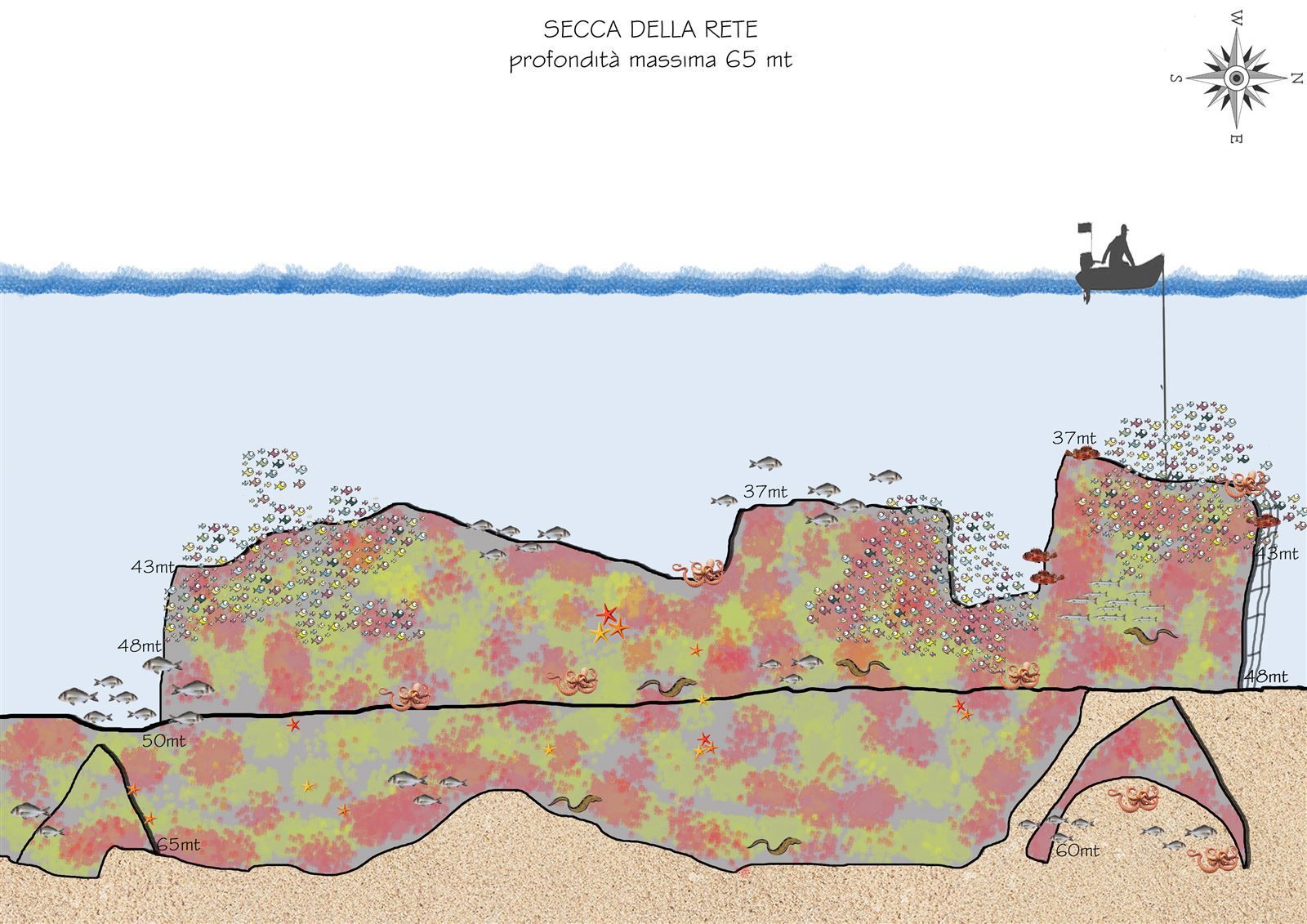
Beyond Capo Vaticano lies the Grotticelle beach, interrupted halfway by a series of exposed rocks. An underwater reef rises from the Grotticelle seabed: this is the Monaco shoal, known here as Smalidittu, probably due to the quantity of nets the rock has snatched from the fishermen. One of these submerged mountains is called, for this very reason, the Rete (Net). This is a deep dive: the top of the shoal is 38 meters deep, and the walls, which drop about twenty meters to the sandy seabed, are quite bare: no gorgonians, but plenty of red sea squirts. On the other hand, you'll find an excessive number of cicadas, some of which are quite large. The shoal is surrounded by a series of other, deeper shoals that rest on the sloping sandy seabed and form large crevices, which serve as lairs for large groupers, and submerged arches.
The Anchor
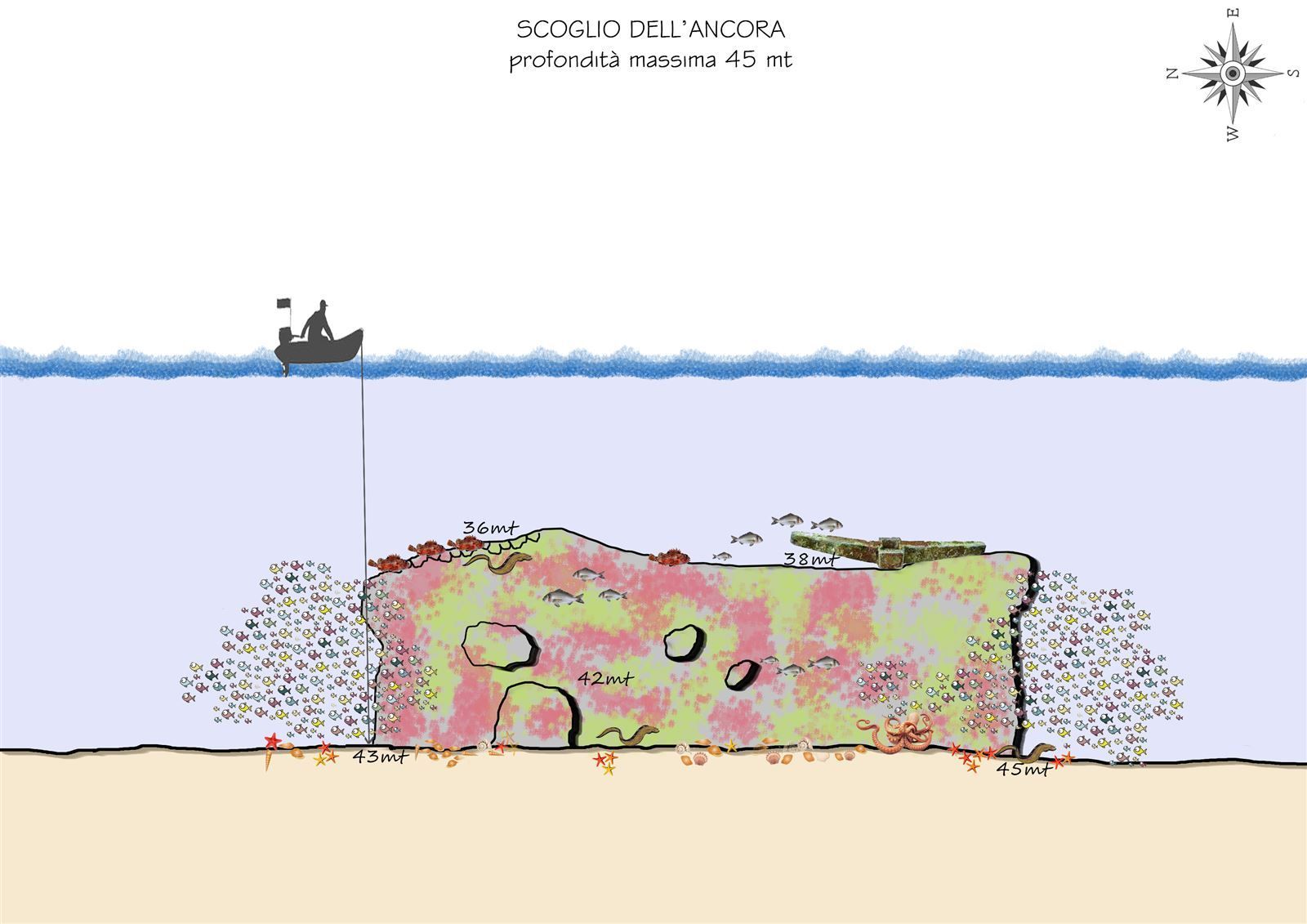
Half-buried in the sand of the sandy plateau that forms the seabed of the Grotticelle, at a depth of forty meters, a Roman anchor emerges, covered in encrusting sponges and bryozoans. The anchor is placed right at the edge of the drop toward the underwater valley that extends into the Grotticelle, just offshore. This is a sandy hill supported by a rock face that is home to dense colonies of bryozoans and sponges.
The Steamer
At a depth of about thirty meters, opposite the village of Riaci, lies the wreck of the U' Vapuri, clearly visible from the surface, silhouetted against the pale sand. Little or nothing remains of the ship, about which little is known, except its metal skeleton: plates rising no more than 50-60 cm from the seabed, making it no easy task to locate the U' Vapuri with a sounding line. Although only the skeleton remains of the ship, the dive is still enjoyable: hidden among the metal are groupers, large octopuses, and occasionally even triggerfish, known locally as "pigfish," an unusual species in the Mediterranean.

Links
Contacts
Telephone:
- Excursions: +39 3494393605
- Boat Rental: +39 3480318982
- Diving & Courses: +39 3286134515
Email: mondobludiving@gmail.com
Address: Via Fortino, 89866 Santa Maria VV, Parcheggio Giudice.


